Image
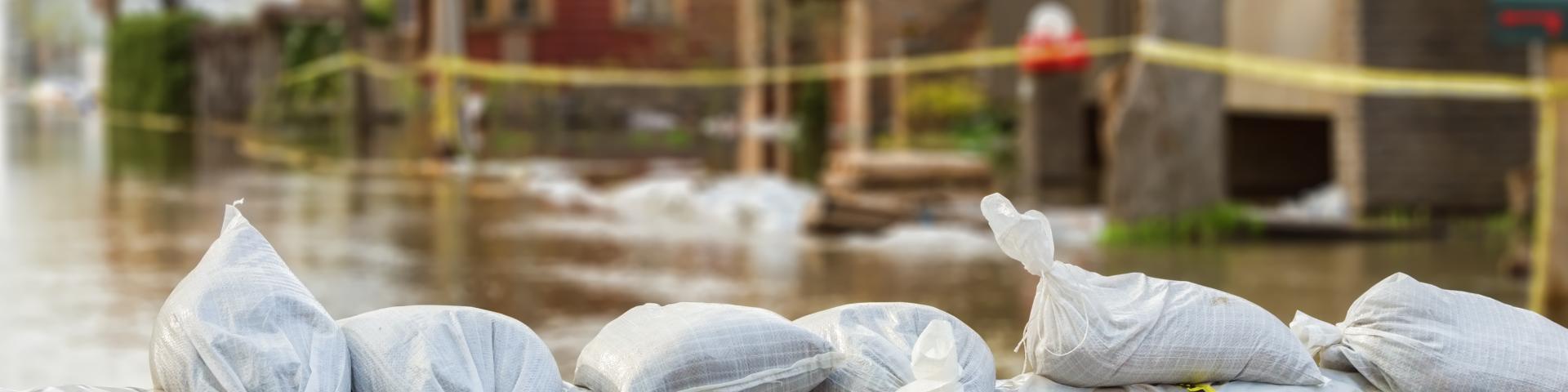

Emergency preparedness planning is essential for everyone. Fires, floods, earthquakes and evacuations can happen at any time. Being ready helps protect lives and property. For individuals, preparation means knowing what to do and having supplies ready. For the Strathcona Regional District (SRD), it means planning that allows for clear communication and quick action during emergencies.
Working together makes the community safer and stronger. Find information and resources to help you prepare for potential emergencies below.
Lost Food During a Recent Power Outage? Financial Help May Be Available.
The Province of BC offers a Crisis Supplement through the Ministry of Social Development and Poverty Reduction for eligible individuals and families receiving assistance under the Employment and Assistance Regulation or Employment and Assistance for Persons with Disabilities Regulation.
A Crisis Supplement may be available to help individuals and families cover unexpected emergency expenses that could affect their health and well-being. One of the eligible circumstances includes:
How to apply:
Please note: This is an existing Government of BC program and is not a benefit administered by the Strathcona Regional District or connected to a current emergency response. Eligibility and approval are determined by the Province.
For full eligibility details, visit the BC government's Crisis Supplement webpage
Evacuations can be chaotic, nerve-racking and a time of worry and strain. Residents should remain aware and be prepared in case of evacuation. Firefighters and other emergency personnel cannot work on the fire or other problems until life and safety issues are under control.
When an evacuation alert or warning is issued, they may be communicated by:
The Alert or Order will identify hazard and emergency zones as well as travel routes. Communication may also identify reception centre locations, advise the method of declaring an “All Clear” and explain the procedure for issuing controlled re-entry passes.
As information is received from the operational front lines and examined for specific actions, the public will be kept notified of developments, level of evacuation awareness, location of reception centres and other important information.
It’s important for you and your loved ones to be prepared and know what to do in a disaster. Potential hazards in the SRD includes climate change, severe weather, forest fires, earthquakes, tsunamis and floods.
You can take many simple steps to be prepared:
Disaster preparedness shouldn’t make you worry or feel afraid. Being prepared can even make you feel calm and confident, knowing that, in case of an emergency, you and your family will know what to do.
The Neighbourhood Emergency Preparedness Program (NEPP) provides important tools and direction to ensure SRD communities are prepared in case of a disaster.
Although the NEPP focuses on disaster preparedness, communities are encouraged to use the NEPP structure to enhance other important neighbourhood-driven initiatives such as community safety, food security and FireSmart.
NEPP highlights include:
Floodplain maps help to identify areas that may be at risk of flooding during severe storms. Flood maps are critical tools for informing communities about their flood risk and supporting flood management discussions.
Providing communities with floodplain maps that accurately reflect flood hazards can help people make informed decisions about flood and emergency preparedness such as evacuation plans, flood-proofing property measures and insurance needs.
Want to learn more about personal and household emergency preparedness? We've created a video series that explains emergency preparedness in detail and walks you through step by step.